
Integrating Multiple Systems into A Unified Application


Project Overview
The project is for a client who is a popular global design organization located in the USA, with branches all over the globe. They have a team of designers, engineers, teachers, and researchers who look at creating change through design, by building learning platforms and tools to unlock creativity. They create human-centered inventions, services, spaces, and associations that empower groups, cities, and even countries.
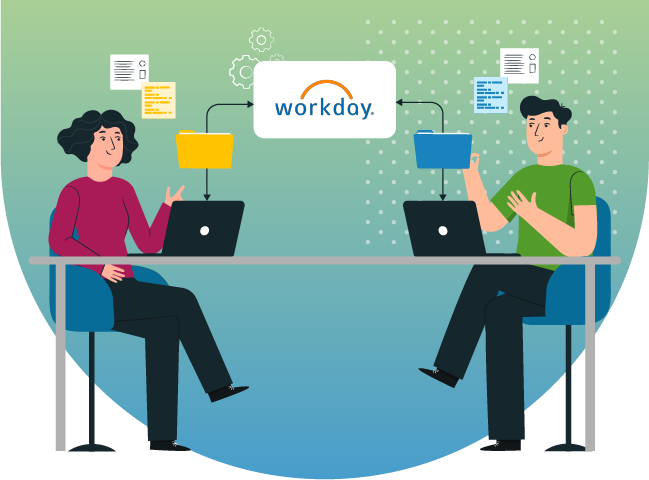
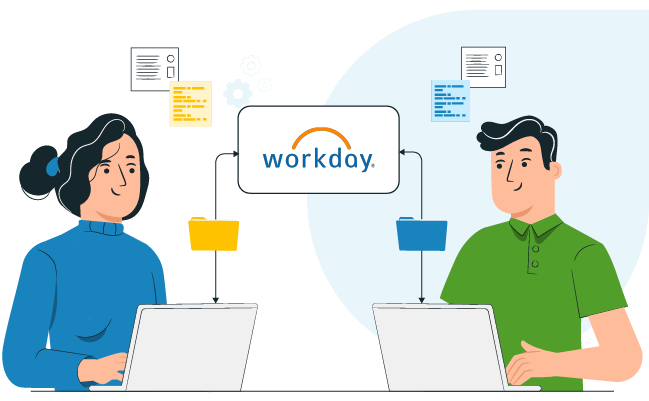
The client was keen to migrate all their systems onto a single unified enterprise application with the latest technologies, for better management and maintenance. The chosen unified solution was Workday – a best-in-class application for finance, HR, and more.
There were a few challenges that were sorted:
- Workday API’s complex & large XML responses
- Client needing reusable & dynamic code to reduce development efforts
- Shutting down multiple applications and migrating to Workday using Big Bang approach without impacting business & users
- Workday integrations
- New technology (PySpark & Workday’s inbuilt XXLT code base)
Looking at the challenges faced by the client, SPEC INDIA defined four teams.
- Data migration team for carrying out data migration activities – pulling data from Power BI reports, converting them into workday-acceptable formats, and sending data to workday.
- Data integration team taking care of all Workday-to-Workday integrations & third-party to Workday integrations. All these integrations to be built in Workday Studio and keep running at defined intervals.
- ETL team taking care of pulling data from Workday, transforming & processing data, and sending processed data to a data warehouse for reporting purposes. Most of the ETL development is done in Azure Databricks and scheduled in Azure Data Factory.
- Reporting team to generate Power BI reports for Biz Ops and other stakeholders.
The project was to replace third-party applications (from different vendors & for different purposes) with one enterprise application (Workday). The client was using different SaaS-based applications for HR, Finance, Project & CRM modules which was bit costly and required more support efforts and cost.
Key Components
- Data migration from legacy applications to Workday
- Explore Workday’s public web API to send & receive Workday data
- Migrate legacy application code (from U-SQL) to Databricks (PySpark)
- Write Workday integrations to sync data within systems
- Retrieve & process Workday data (HR, Project & Finance data) in Azure Databricks through PySpark technology
- Create Power BI reports from processed Workday data for BizOps people
Core Features
We got legacy data from Power BI models for data migration activities, migrated to Databricks for faster processing of data, Python & PySpark technologies for data extraction and processing, Workday Studio for integrations and Power BI for reporting. We approached Azure as a cloud platform.
Key Inclusions
Workday - Human Resource
Worker Personal & Contact Information
Worker Compensation Data
Worker Job Information
Worker Leaves & Time off
Worker Costing Allocations
Worker Utilization & Availability
Workday - Project
Project Details
Project Hierarchy
Project Plan & Tasks
Resource Forecast
Resource Plan
Customer Contracts
Project Revenues Lines & Schedules
Project Role Assignments
Workday - Finance
Journals & Journal Entries
Journal Budgets
Currency Conversion Rates
Expense Items
Supplier Invoices
Account Sets
Journal Sources
Technologies And Platform We Use


Business Benefits
Our solution enabled the business to achieve the following benefits:
Reduced application cost
Reduced support efforts and cost
One application for all data
Latest technologies & platform
Less maintenance & support
Improved user experience
Smooth and effective business process execution
Robust reporting features
Let’s get in touch!
India
“SPEC House”, Parth Complex, Near Swastik Cross Roads, Navarangpura, Ahmedabad 380009, INDIA.
-
 +91-79-26404031, 32, 33, 34
 -
 lead@spec-india.com
USA
“SPEC Partner”, 350 Grove Street, Bridgewater, NJ 08807, United States.
-
+1 908-450-9862
-
lead@spec-usa.net